Facility managers, warehouse operators, and architects face countless logistical decisions when designing or upgrading a commercial space. Among the most critical choices is selecting the right entryways. If you are tasked with securing a facility, you have likely asked yourself: Steel vs. Wood vs. Aluminum Doors: What’s Best for Industrial Buildings?
Choosing the wrong material can lead to skyrocketed energy bills, constant maintenance headaches, and even severe security vulnerabilities. The right choice, however, streamlines workflow, enhances safety, and boosts your building’s curb appeal. Let’s break down the advantages and disadvantages of each material so you can make the smartest investment for your commercial door systems.
Steel & Metal Doors: The Undisputed Heavyweight Champion
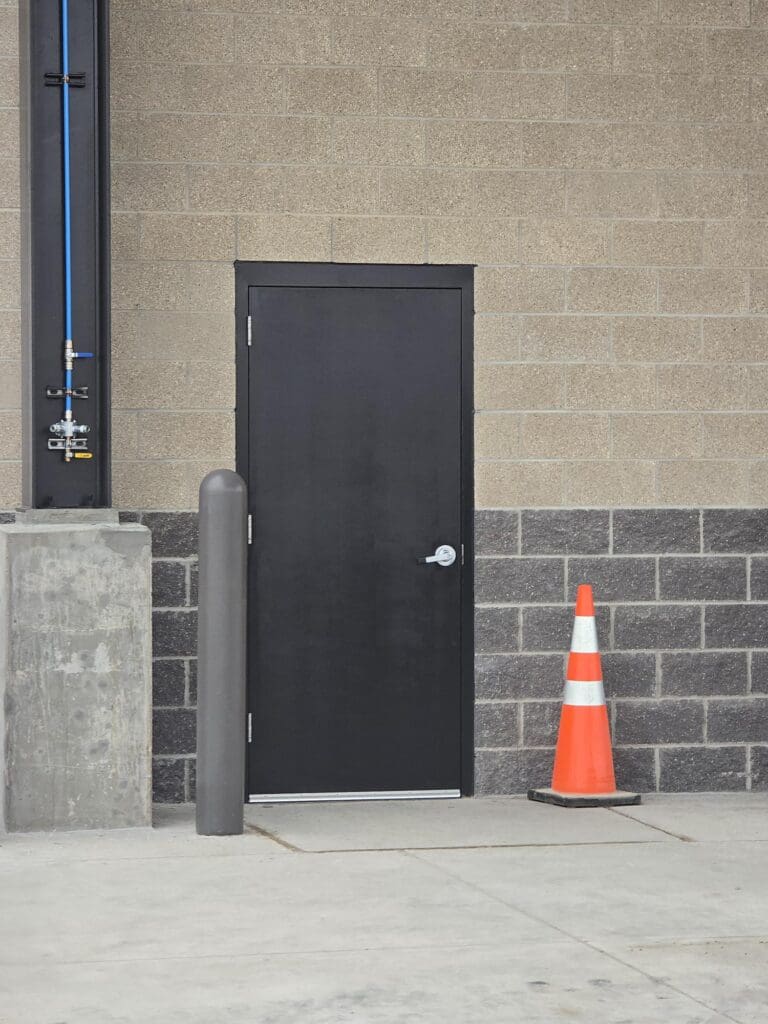
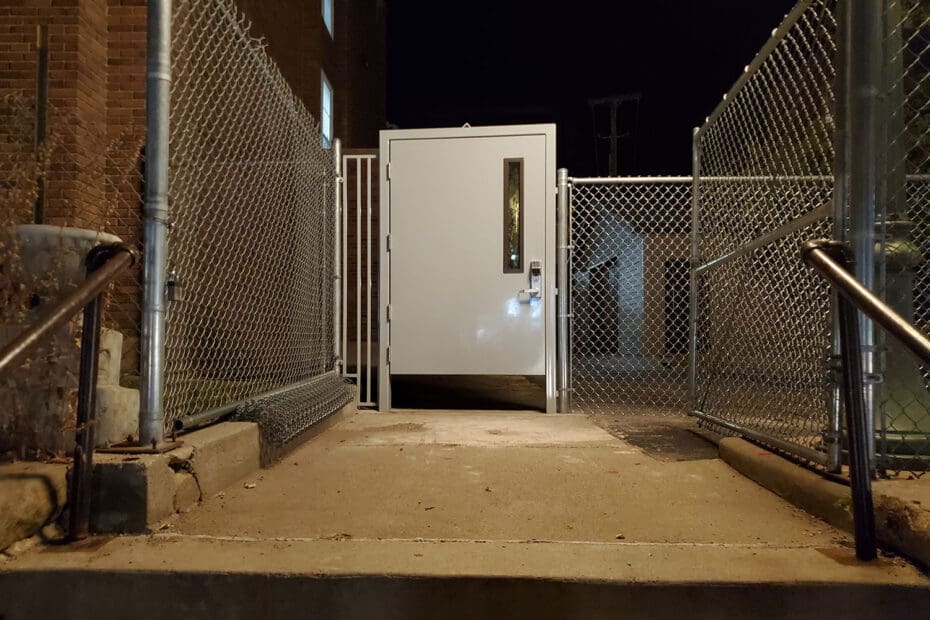
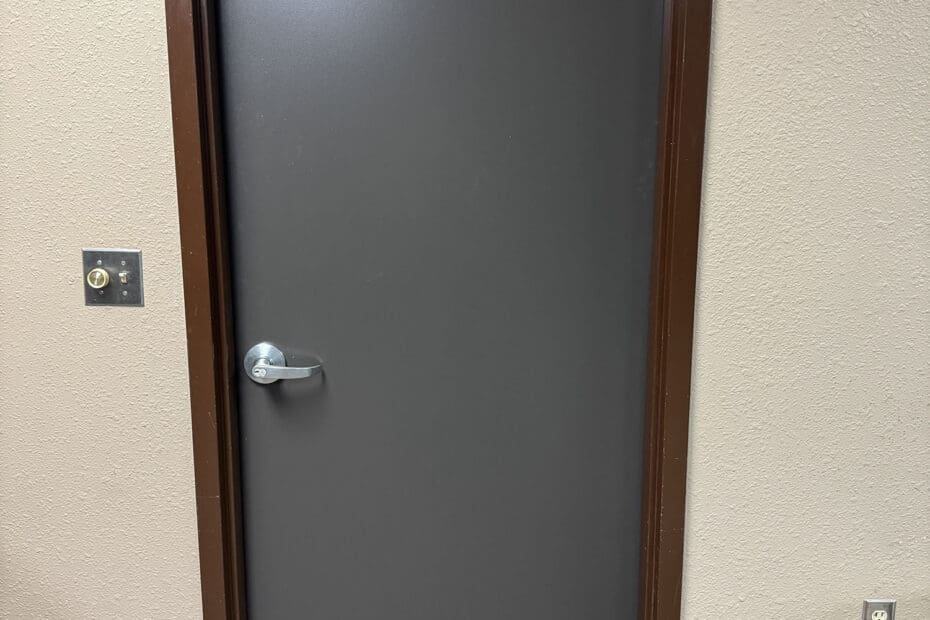
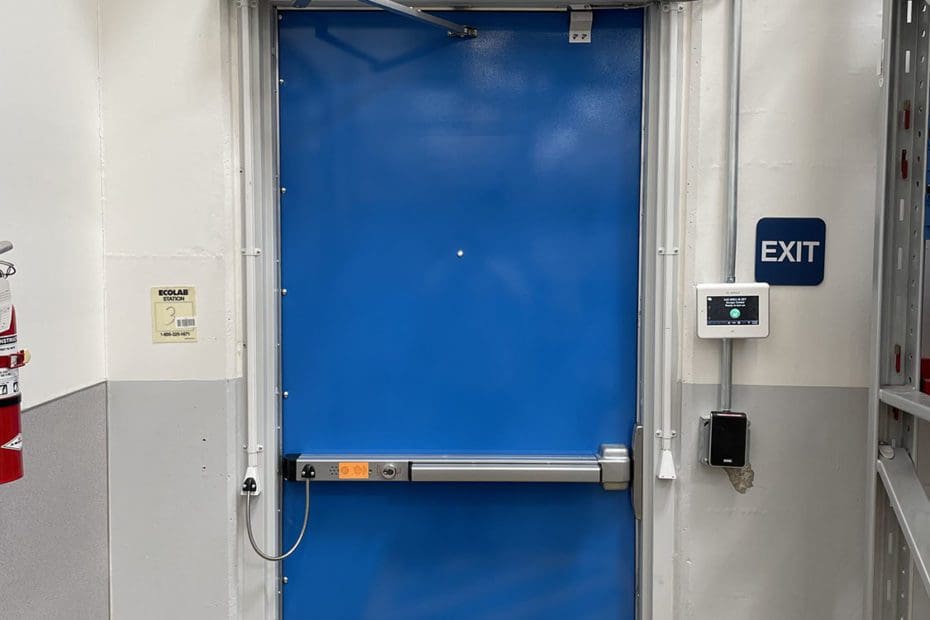
When choosing heavy-duty doors for loading docks, manufacturing floors, and secure storage areas, steel is widely considered the ultimate standard. Hollow metal steel doors are built for raw strength and unparalleled longevity in harsh environments.
- Maximum Security: If your top priority is impact resistance for high-security facilities, steel easily outperforms all other materials. It is designed to take a beating from the elements and potential intruders without failing.
- Weather Durability: Industrial buildings in regions with extreme weather rely heavily on metal. Facility owners installing rugged steel doors in Wyoming to combat brutal winter winds, or sourcing insulated steel doors in South Dakota for vast agricultural facilities, know that steel won’t warp, crack, or bow under extreme temperature fluctuations.
- Industry Standards: The best security doors made of steel are manufactured to meet rigorous ANSI/SDI door performance standards. This certification ensures the doors have been heavily tested to withstand millions of open-and-close cycles without structural failure.
- Life Safety: Meeting fire codes is a necessity for industrial plants. Strict fire-rated steel door specifications mean that these doors can withstand intense heat and flames for up to three hours, containing localized fires and giving employees crucial time to safely evacuate.
Aluminum Doors: Lightweight and Corrosion-Resistant

While steel provides rugged brawn, aluminum brings finesse, sleek design, and specific functional advantages to the table.
- The Weight Advantage: The most notable difference between the two metals is the aluminum vs steel strength-to-weight ratio. Aluminum offers incredible structural integrity but weighs significantly less than steel. This reduces the daily strain on automatic door operators, tracks, and hinges, extending the lifespan of your mechanical hardware.
- Rust and Chemical Resistance: Aluminum is naturally rust-proof. If you are sourcing corrosion-resistant doors for chemical facilities, wastewater treatment plants, or coastal warehouses exposed to salt air, aluminum is vastly superior to untreated steel.
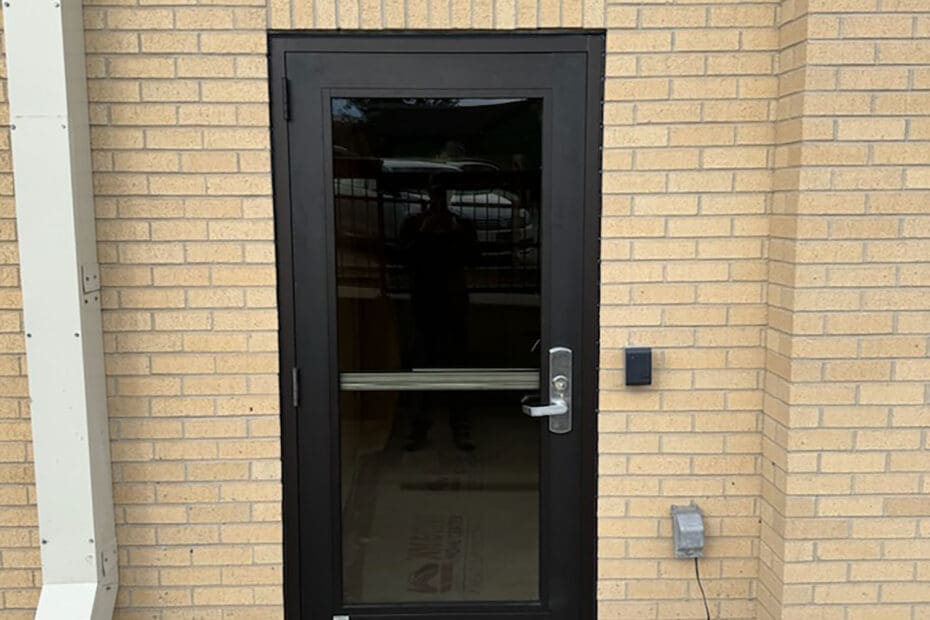
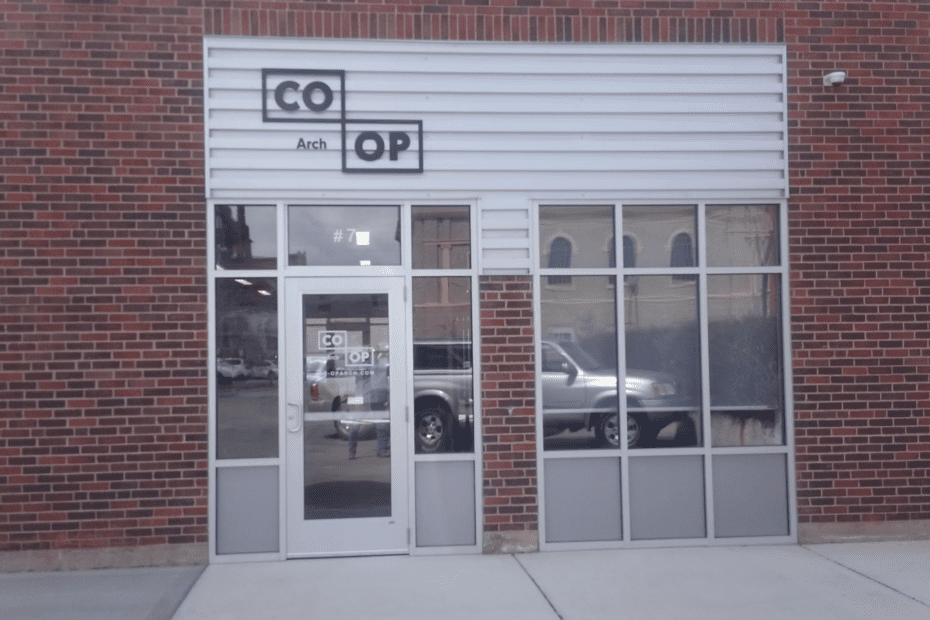
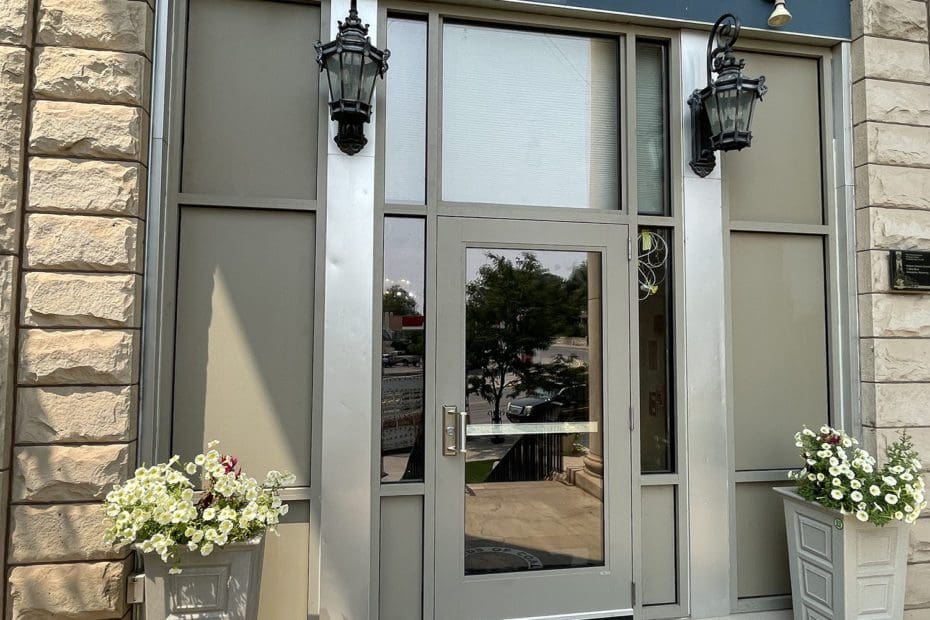
- Design and Curb Appeal: Aluminum isn’t just about utility. The sleek aesthetic appeal of architectural aluminum storefronts makes this material the go-to choice for customer-facing entryways, dealership showrooms, and modern administrative offices attached to industrial plants. With modern powder-coating options, they offer beautiful, low-maintenance commercial entrance solutions.
Wood Doors: Traditional Appeal vs. Industrial Reality
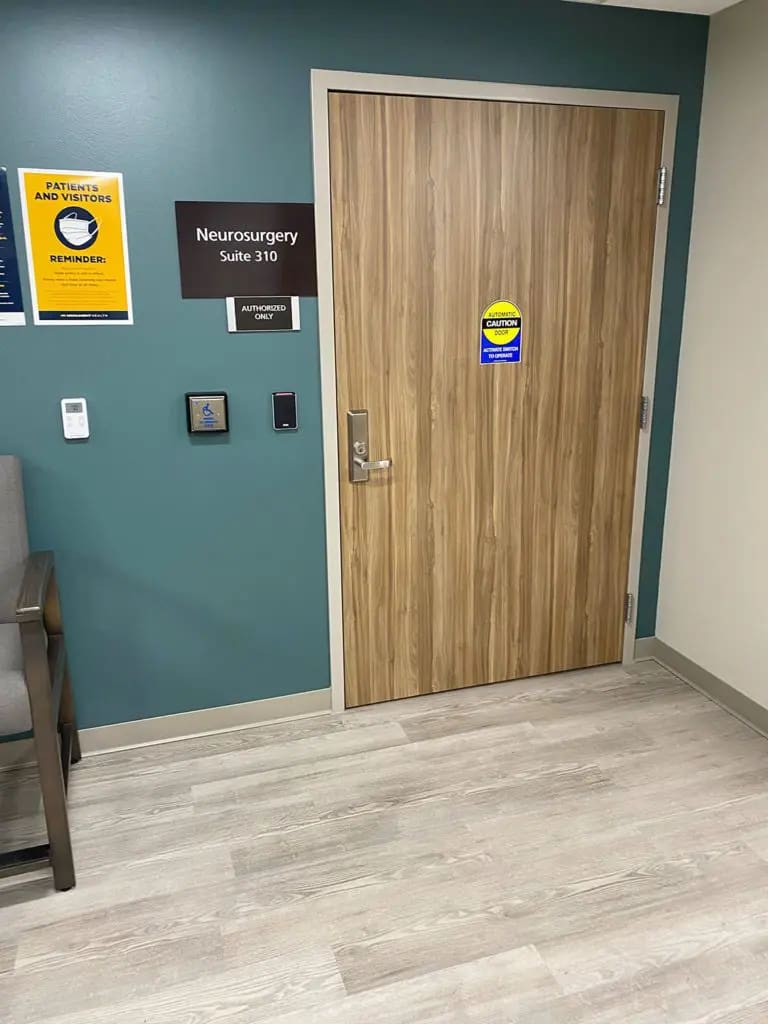
This brings us to a frequently debated question: are wood doors suitable for manufacturing plants?
The honest answer is that for exterior perimeters and heavy-use operational zones, wood is rarely recommended. Wood naturally expands, contracts, warps, and splinters when subjected to harsh weather, persistent moisture, and heavy industrial wear-and-tear.
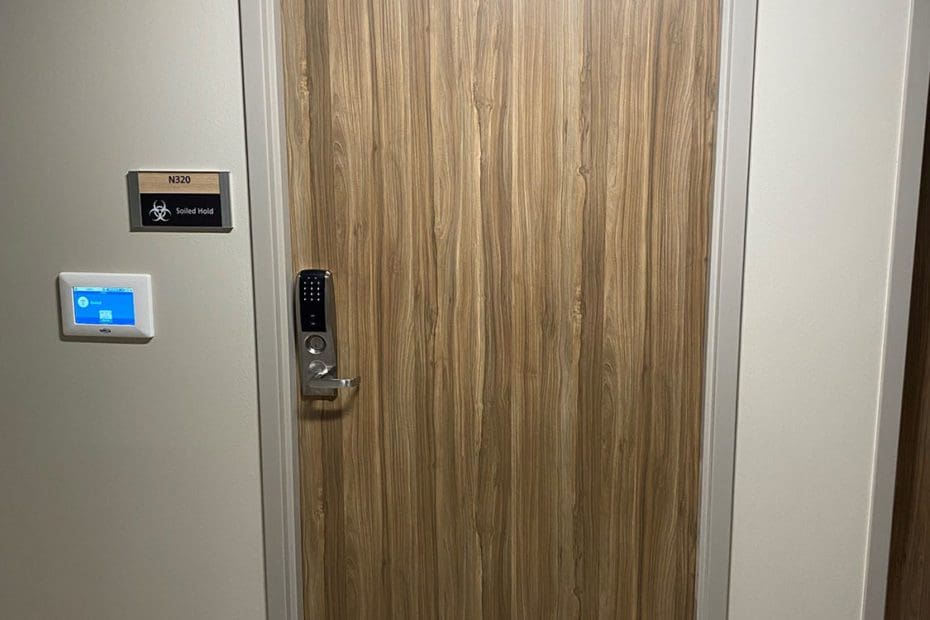
However, wood still serves a vital purpose inside the building. For executive boardrooms, interior management offices, and employee lounges, solid-core wood provides unmatched aesthetic warmth and excellent sound-dampening qualities. When evaluating the cost-effectiveness of industrial wood doors, they make excellent financial sense, but strictly for low-traffic, climate-controlled interior spaces where architectural aesthetics outweigh the need for heavy-duty impact resistance.
Durability and Energy Efficiency Comparison
To make the best operational choice, it helps to look at a direct industrial door durability comparison. Facility managers often ask, “which industrial door material lasts longest?” The answer depends entirely on your specific environment:
- Steel lasts the longest against physical impact and heavy daily abuse.
- Aluminum lasts the longest against moisture, rust, and chemical corrosion.
You also need to account for your facility’s operational flow. Buildings with hundreds of employees entering and exiting daily must meet strict high-traffic security entrance requirements. Heavy-gauge metal doors paired with heavy-duty continuous hinges are required to prevent sagging over time.
Energy efficiency is another massive priority. Heating and cooling a massive commercial warehouse is incredibly expensive, making the selection of energy-efficient warehouse door materials essential to your bottom line. Modern metal entryways utilize injected polyurethane or polystyrene cores to trap heat. Furthermore, the integration of thermal break technology in metal doors – a non-conductive barrier placed inside the door frame – prevents exterior freezing temperatures or intense summer heat from transferring through the metal into your building, drastically cutting HVAC costs.
Finally, consider your spatial constraints. If you need to maximize vertical space in logistics zones, roll-up doors crafted from interlocking slatted steel or extruded aluminum are indispensable industrial doors that keep workflows moving smoothly.
final takeaway
Choosing the right material for your facility doesn’t have to be a guessing game. Use steel for unmatched security, heavy impact zones, and loading docks. Opt for aluminum when you need rust resistance, lightweight operation, or high-end architectural appeal. Reserve wood exclusively for interior, climate-controlled executive spaces. By evaluating your specific environmental risks, traffic levels, and energy goals, you can secure your building with a door system designed to perform flawlessly for decades.
The Importance of Professional Installation
When it’s time to select, install, or replace commercial and industrial doors, trust the experts at Architectural Specialties. As the premier provider of industrial door solutions and commercial door installation services throughout the region, our team helps facility managers, contractors, and business owners choose the right door system for their unique application. With locations in Rapid City, South Dakota, and Gillette, Wyoming, we proudly serve customers across a six-state region, including Montana, North Dakota, Nebraska, and Colorado. If you need a single door replacement or a complete package of commercial and industrial door systems for a new facility, Architectural Specialties delivers the products, expertise, and professional installation you can count on for long-term performance.