A residential front door might open a handful of times a day, but in a high school, healthcare facility, or municipal building, that same door can cycle hundreds of times a day. This dramatic difference in use is why commercial hardware is designed and tested entirely differently than residential products. Cycle requirements – the number of times a door, lock, hinge, or closer can operate before failure – are not a theory. They are a daily reality for high‑traffic buildings throughout the Black Hills region, where durability directly affects safety, security, and maintenance budgets.
This is often where building owners and facility managers pause. Why does a properly specified commercial lockset or closer cost several times more than something off the shelf at a home improvement store? The answer is simple: commercial hardware is not a commodity, it’s an engineered system. Treating locks, hinges, and closers as interchangeable or “good enough” almost always leads to early failure, emergency service calls, and compromised security. Investing in correctly rated commercial hardware at the start dramatically reduces downtime and long-term costs.
True longevity comes from hardware built to withstand hundreds of thousands, or even millions, of aggressive cycles, not a few thousand light residential uses. For schools, clinics, government buildings, and commercial facilities across western South Dakota and northeastern Wyoming, proper hardware selection is one of the most effective ways to avoid hidden maintenance expenses and keep doors functioning safely year after year.
Truck power vs. bicycle parts: understanding ansi/bhma grade 1 standards
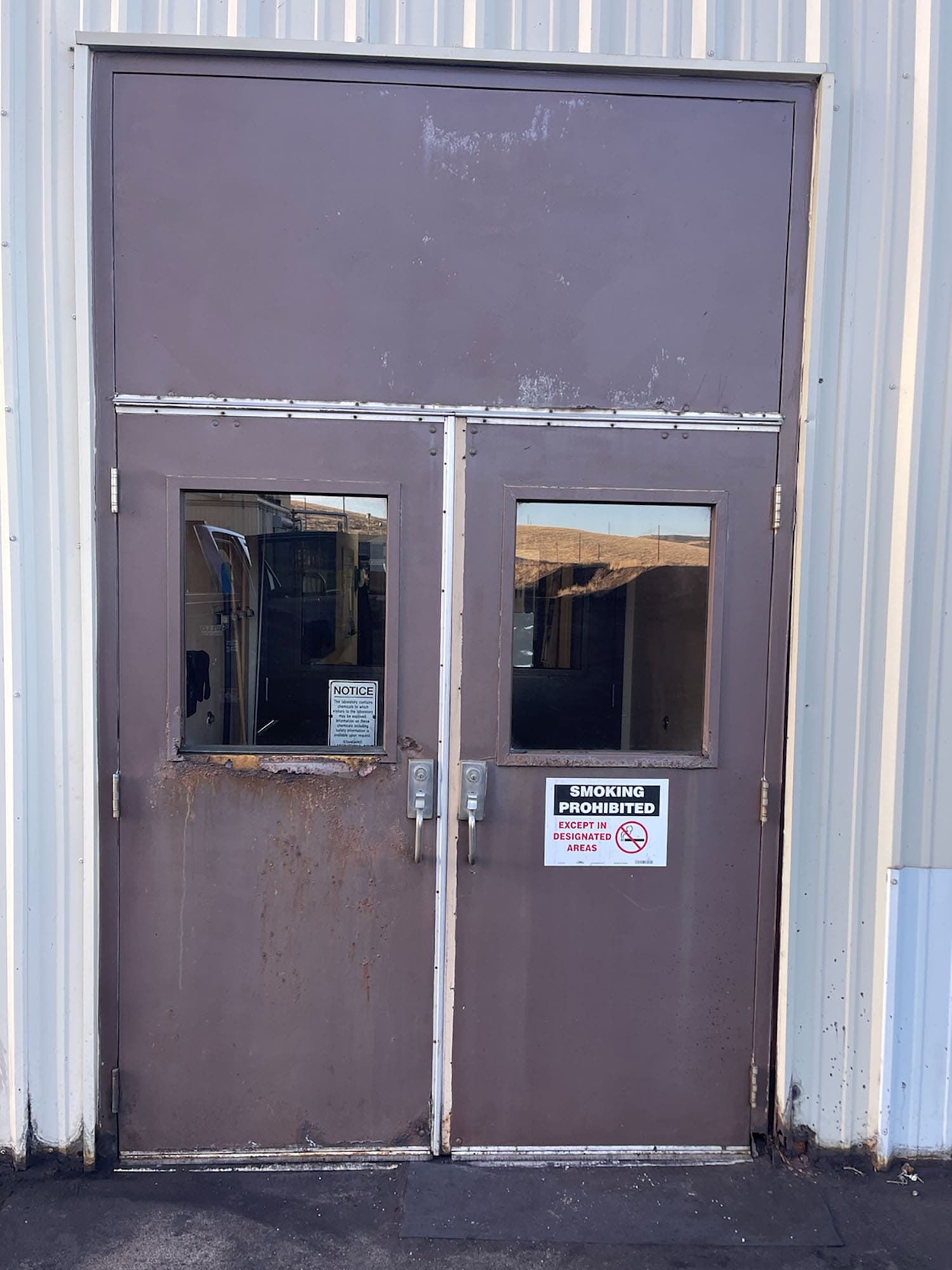
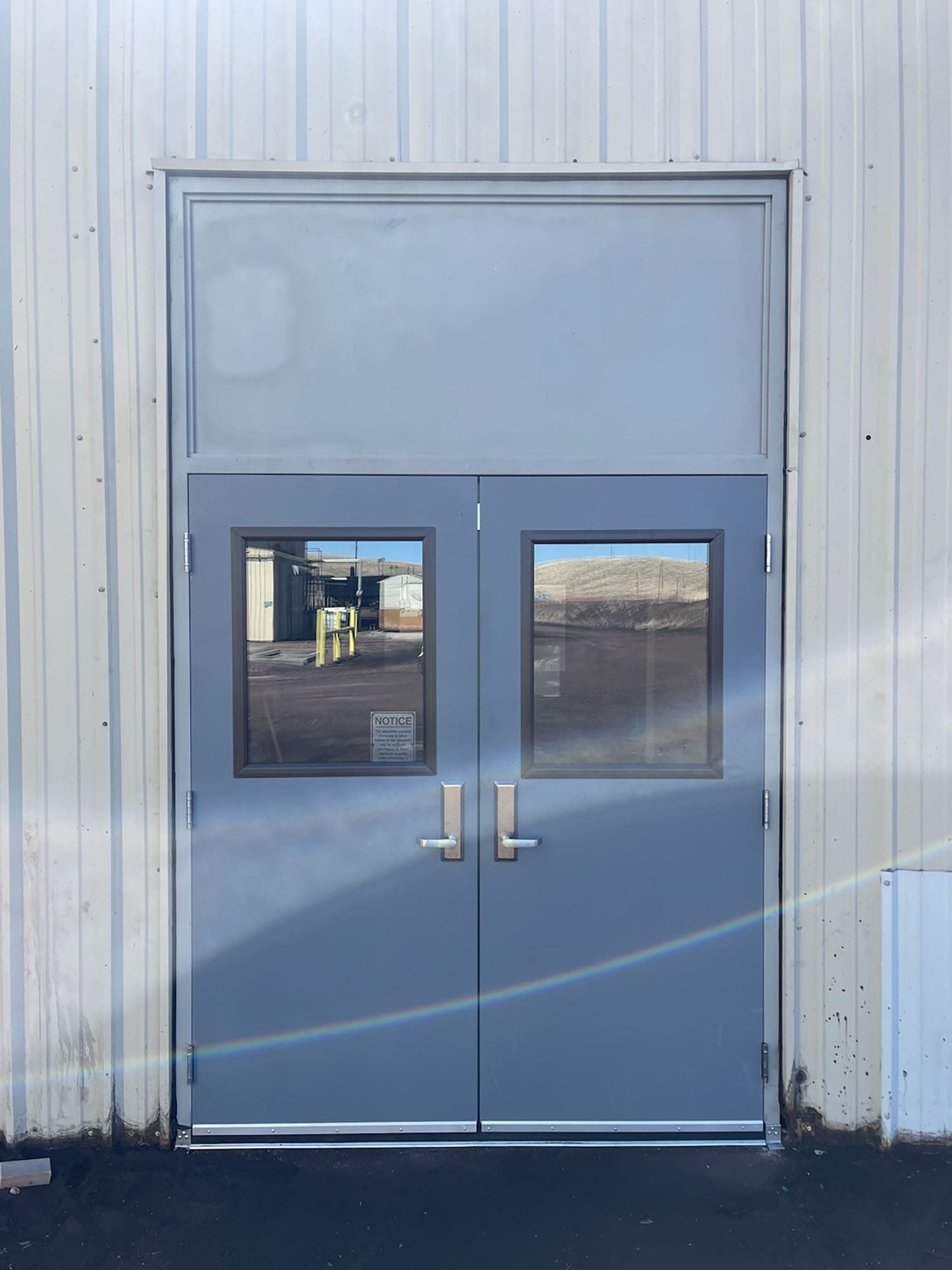
Selecting commercial door hardware is often compared to choosing a vehicle for the job. Residential-grade hardware is like a bicycle – perfectly fine for light use. Grade 2 hardware functions more like a sedan, suitable for moderate traffic. But Grade 1 hardware is the heavy-duty truck of the industry, built for hospitals, schools, and large public buildings where failure is not an option.
ANSI/BHMA Grade 1 standards exist for this exact reason. Hardware that meets these standards has been independently tested to withstand one million or more cycles, simulating years of constant use. In contrast, Grade 2 and Grade 3 products are tested at significantly lower thresholds and simply are not designed for the demands of busy entrances, corridors, and exterior doors.
For facilities in Gillette, Rapid City, and across the Black Hills, choosing Grade 1 locks, hinges, and closers upfront drastically lowers the cost per door cycle over time. Just as importantly, it minimizes service interruptions and ensures the entire opening – frame, door, and hardware – functions together as a durable system.
the workhorses of every door: hinges and closers that carry the load
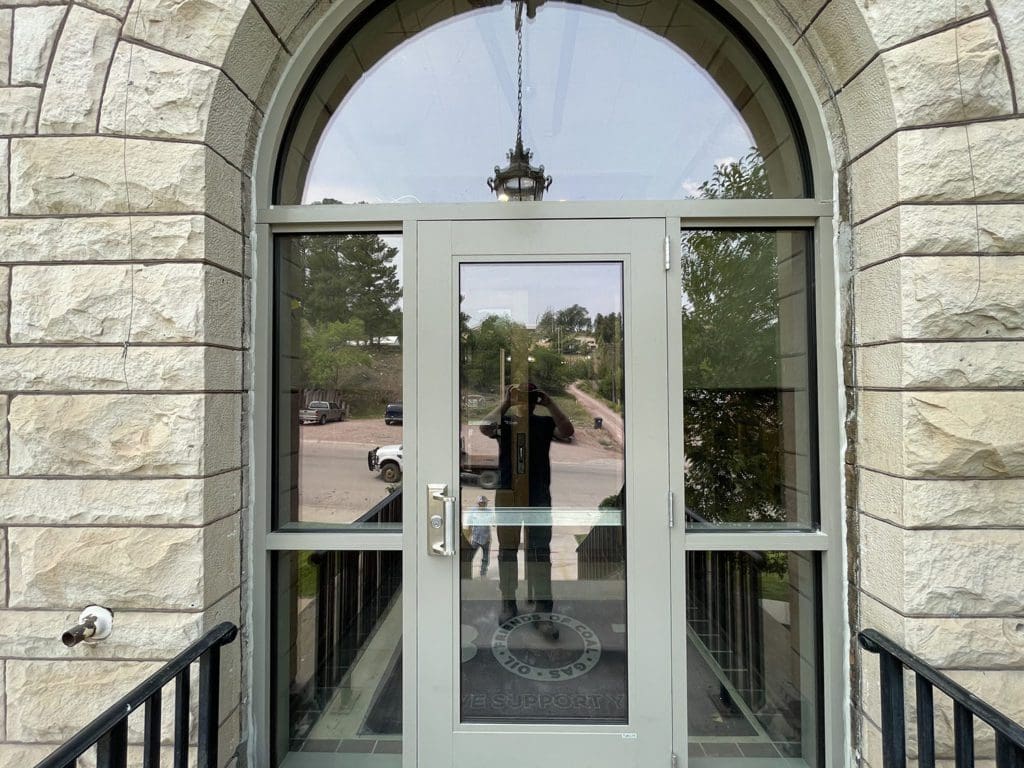
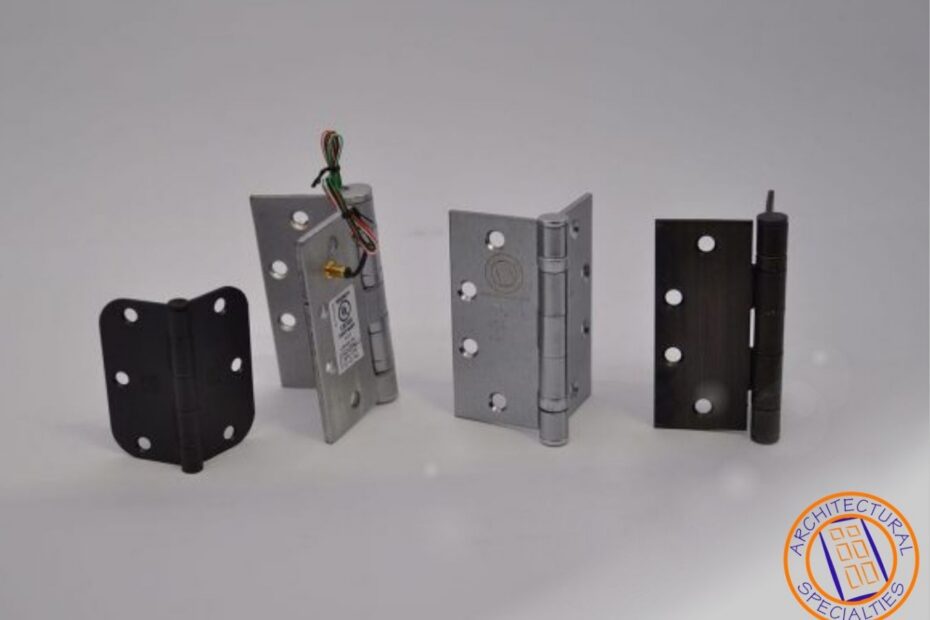
A commercial door is only as strong as the hardware supporting it. In high‑traffic environments like schools and medical offices, repeated force on the door can cause misalignment, a common issue known as door sag. When a door sags, locks stop lining up properly, closers struggle to control movement, and security is immediately compromised.
Heavy‑duty hinges play a critical role in preventing these problems. In many cases, continuous geared hinges are preferred because they distribute the weight of the door evenly along the entire frame. Instead of concentrating stress on a few hinge points, the load is spread out, dramatically reducing wear and maintaining proper alignment over time, which is especially important for tall or heavy commercial doors.
Door closers are just as essential. A well-functioning closer controls speed, prevents slamming, protects the frame, and keeps users safe. When a closer begins leaking fluid or loses control, it’s no longer doing its job. In high‑use facilities throughout Rapid City and Gillette, properly sized and adjusted commercial door closers are key to maintaining compliance, preventing damage, and extending the lifespan of the entire opening.
safety-focused hardware for healthcare and specialized facilities
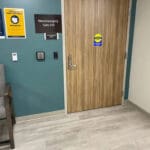
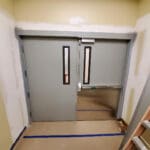
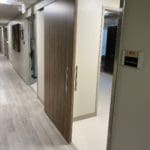
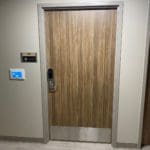
Healthcare environments introduce additional demands that go beyond durability alone. Every door handle, lock, and closer becomes a high-touch surface used by hundreds of people each day. That’s why antimicrobial finishes and cleanable hardware designs are often specified in medical clinics and hospitals throughout the region.
In behavioral health and specialized care areas, life safety becomes even more critical. Anti-ligature hardware eliminates catch points and gaps that could be used for self-harm, while still allowing staff fast, reliable access during emergencies. These products must still meet strict fire-rating and accessibility standards, ensuring compliance with NFPA and ADA requirements.
For healthcare facilities, the right hardware does more than keep doors operating, it directly supports patient safety, staff efficiency, and regulatory compliance.
secure, accessible, and ready for emergencies: hardware for schools and public buildings
Schools and public facilities face a unique challenge: doors must remain secure from the outside while allowing fast, safe egress from within. During busy transitions like class changes, events, dismissal, exit hardware must withstand constant abuse while still operating smoothly for all users.
Properly specified commercial locks, panic hardware, and closers make this balance possible. These systems allow doors to latch and secure reliably while still providing immediate exit in an emergency. In many facilities, electronic access control is integrated with mechanical hardware, allowing staff to manage security without sacrificing life safety or code compliance.
For high‑traffic schools across western South Dakota and Wyoming, these systems must be designed, installed, and maintained with precision to ensure long-term reliability.
the long view: why quality hardware lowers your total cost of ownership
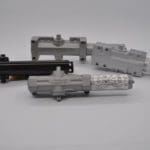
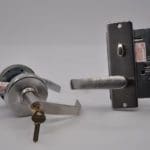

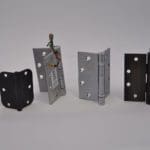


Replacing failed hardware every few years is far more expensive than installing the right products from the start. Commercial doors and hardware fall under Division 8 specifications, which define exactly how each opening should perform. When hardware is under-specified, the result is frequent repairs, shortened lifespans, and increased liability.
Finish selection also matters. High‑use environments benefit from durable architectural finishes that resist corrosion, wear, and peeling. When hardware holds up physically and visually, it reduces replacement cycles and keeps facilities looking professional.
Before installation, facility managers and building owners should always ask the right questions: Is this hardware Grade 1? What is its tested cycle rating? Is it appropriate for our traffic level and environment? Answering these questions upfront protects both safety and budgets.
a smarter way forward for commercial facilities
If your facility requires service calls more than once every couple of years for the same doors, chances are the hardware doesn’t match the environment and that you need to give Architectural Specialties a call. High‑traffic buildings throughout Gillette, WY, Rapid City, SD, and the Black Hills demand true commercial solutions.
By evaluating your busiest doors, prioritizing critical entrances, and upgrading to properly rated locks, hinges, and closers, you build a safer, more reliable facility that performs for years – not months.