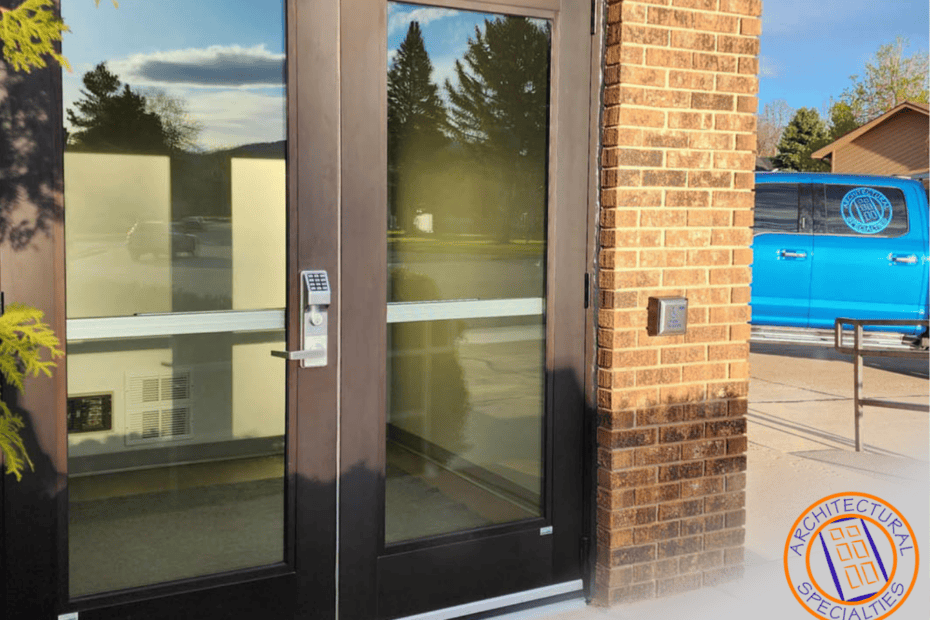
A security system is much more than a collection of devices. In a commercial facility, it becomes part of the building’s day-to-day operation. When access control systems, cameras, alarms, credentials, and door hardware are properly integrated, they work together to support security, efficiency, and long-term building performance.
For facility managers, architects, and operations directors, professional security system installation can have a direct impact on safety, workflow, liability management, and maintenance requirements.
Architectural Specialties helps organizations throughout Wyoming, South Dakota, and surrounding areas implement reliable security solutions through comprehensive Security & Access Control Services, Commercial Door Hardware Expertise, and Commercial Locksmith Services
Why Does Professional Security System Installation Matter?
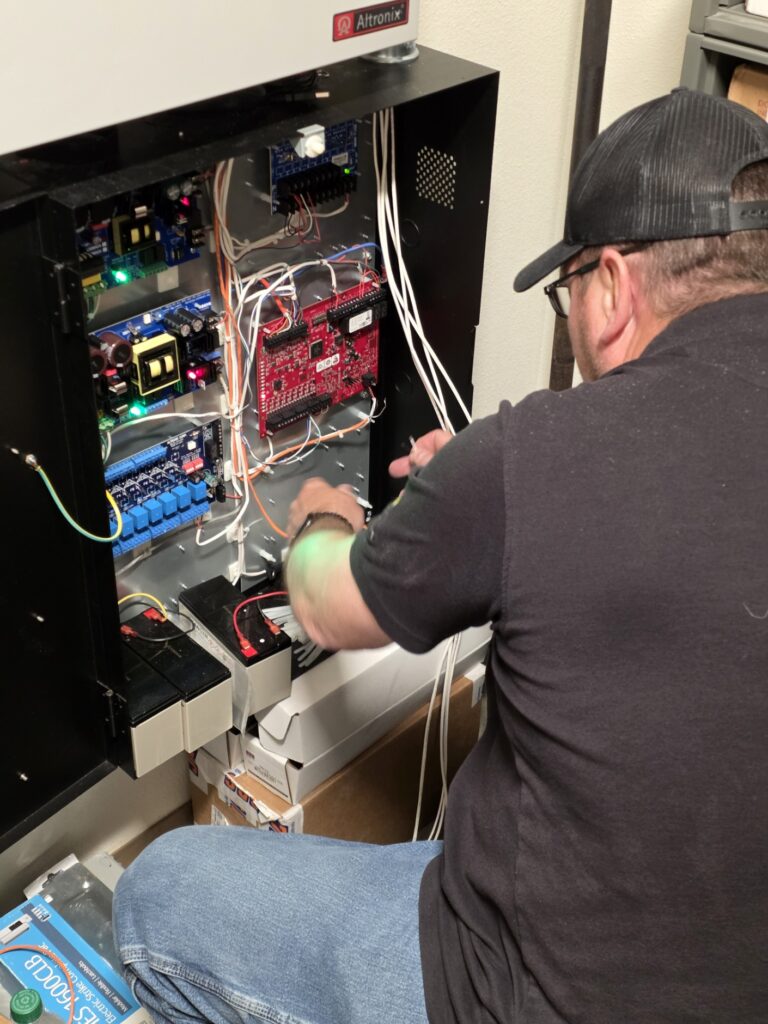
A security system is only as effective as its design, installation, and integration. Professional installation ensures that every component is properly selected, mounted, programmed, tested, and documented so the entire system functions as intended from day one.
When systems are installed correctly, businesses benefit from dependable access control, meaningful event reporting, improved security awareness, and fewer operational headaches. Poorly coordinated installations, on the other hand, can lead to unreliable doors, incomplete credential management, nuisance alarms, and security gaps that are often discovered only after a problem occurs.
In commercial facilities, security often begins at the door. A card reader may seem like a simple device, but its performance depends on the entire opening, including the frame, lock hardware, electrified components, power supplies, cabling, software configuration, and user permissions. If one element is overlooked, the entire opening can become frustrating to use or vulnerable to security risks.
That’s why Architectural Specialties approaches electronic security as part of a complete opening solution. Our team designs, installs, services, and integrates commercial access control, video surveillance, and intrusion detection systems while coordinating those technologies with the mechanical and electrical components that make doors function properly.
Professional Installation Aligns Security with Building Operations
Every facility operates differently. Public entrances, employee-only areas, loading docks, storage rooms, offices, classrooms, and mechanical spaces each have unique security requirements and traffic patterns. A professionally designed security system takes those needs into account before any hardware is selected or installed.
For facility managers, this means fewer disruptions and smoother daily operations. For architects, it helps ensure security components complement the overall building design. For operations teams, it creates consistency across the facility while reducing the need for workarounds and manual oversight.
A professional installer will typically evaluate:
- Traffic patterns: Which doors experience the highest daily traffic, deliveries, visitors, or restricted access.
- Credential strategy: Whether users should utilize cards, fobs, PINs, mobile credentials, or a combination of methods.
- Door conditions: Whether existing openings close, latch, and secure properly before electronics are installed.
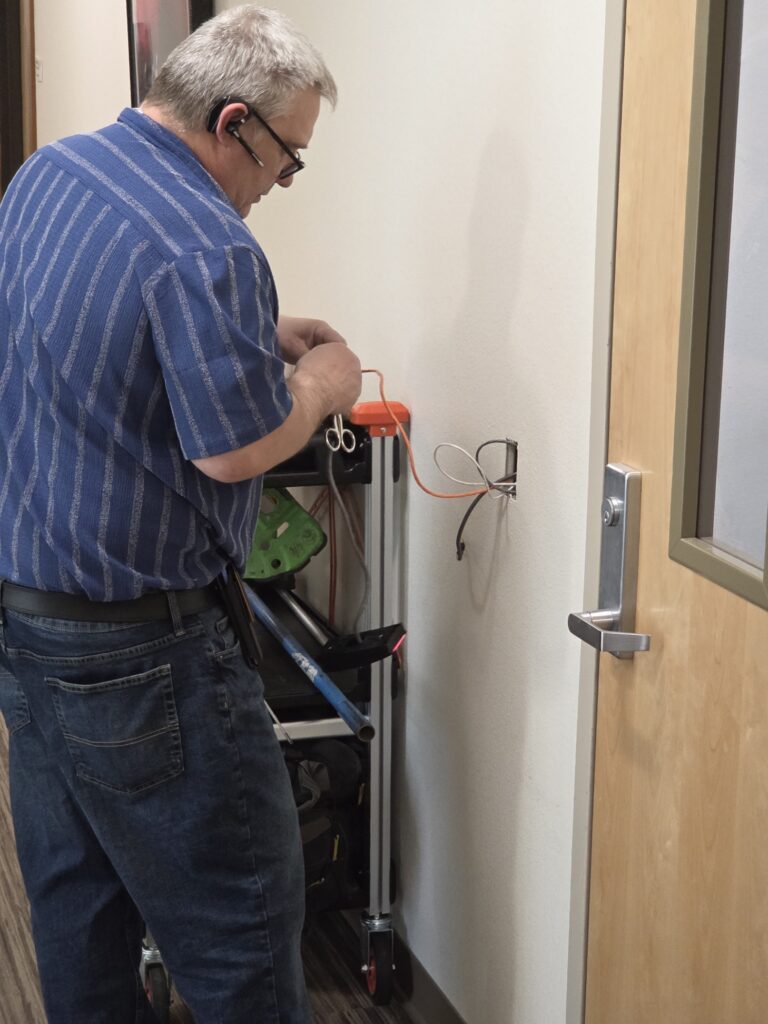
- Power and wiring requirements: The best approach for reliability and future serviceability.
- Administrative workflows: Who manages credentials, schedules, reports, and user permissions.
- Future expansion: Whether the system can easily grow as the facility expands.
When handled properly, security becomes more than a protective measure. It becomes an operational asset.
DIY vs Professional Security System Installation: When and Why to Call Architectural Specialties
The biggest difference between DIY and professional security system installation is accountability.
DIY systems may be sufficient for some residential applications, but commercial facilities require much more coordination. Access control systems must work alongside door hardware, building operations, life-safety requirements, software administration, and future expansion plans.
While a DIY system may be easy to install initially, challenges often emerge later. Cameras may miss critical areas, access permissions become difficult to manage, doors experience hardware issues, or the system struggles to accommodate additional openings and users.
Commercial environments simply have less tolerance for approximation. Schools, healthcare facilities, warehouses, municipal buildings, office complexes, and multi-tenant properties need dependable systems that follow documented standards and function consistently every day.
Professional installation provides that level of reliability and support.
Access Control Protects More Than the Perimeter
Many organizations first explore access control to reduce their reliance on physical keys. However, the benefits extend far beyond convenience.
Access control allows facilities to determine who can enter specific areas, when access is permitted, and how activity is tracked. Instead of relying solely on keys that can be lost, copied, or retained after an employee leaves, organizations gain a centralized and manageable security platform.
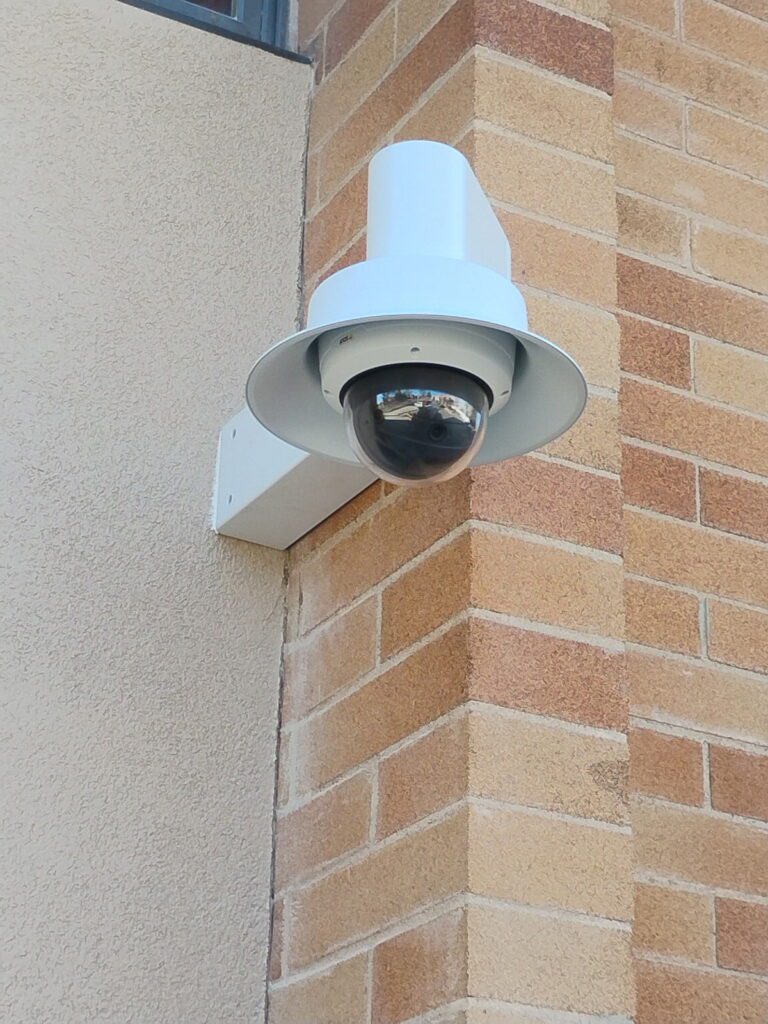
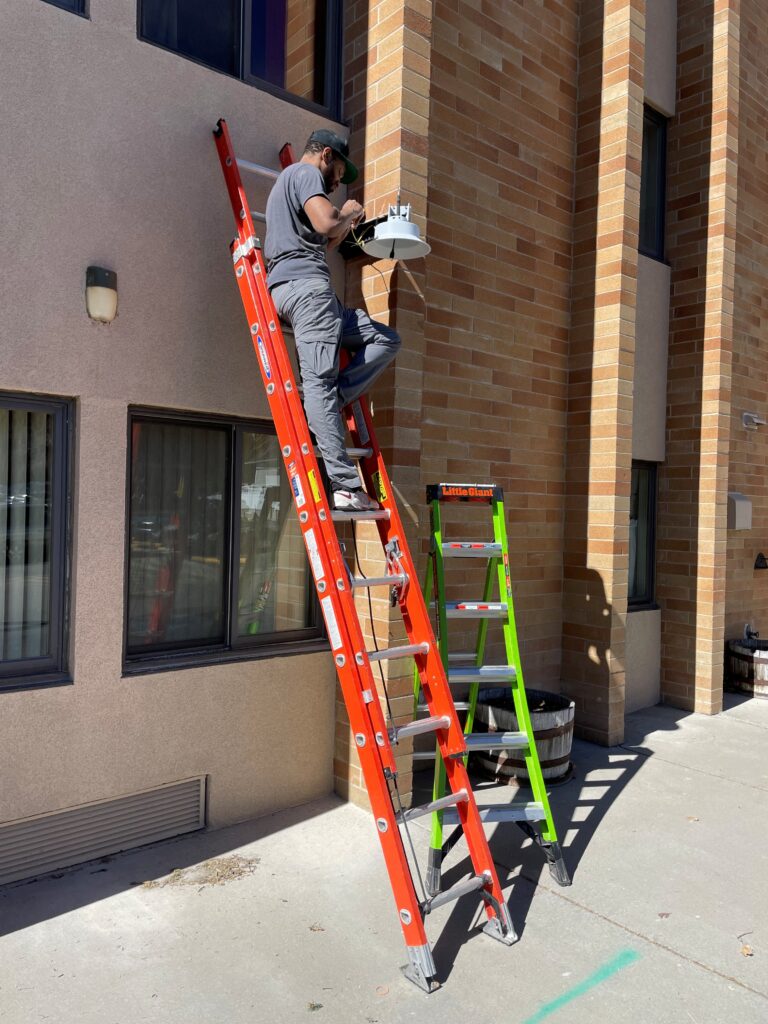
Architectural Specialties helps businesses implement access control systems that provide secure entry management, real-time activity tracking, notifications for unauthorized access attempts, and integration with video surveillance systems. Together, these solutions help organizations improve accountability while streamlining investigations when incidents occur.
Access control can support:
- Employee access by role: Staff access only the areas necessary for their responsibilities.
- Visitor management: Guests remain limited to approved spaces.
- After-hours security: Automated schedules reduce reliance on manual locking procedures.
- Emergency awareness: Activity logs can assist during investigations and response efforts.
- Reduced rekeying costs: Lost credentials can often be disabled immediately without replacing locks.
For organizations seeking access control solutions in Gillette, Rapid City, or throughout the region, proper integration with the door opening is just as important as the technology itself.
Integration with Doors and Hardware Is a Major Advantage
Many security issues aren’t caused by technology failures. They’re caused by doors that don’t close properly, worn hardware, damaged frames, failing closers, or locksets that are not suited for the application’s demands.
That’s one reason Architectural Specialties stands apart from many security providers.
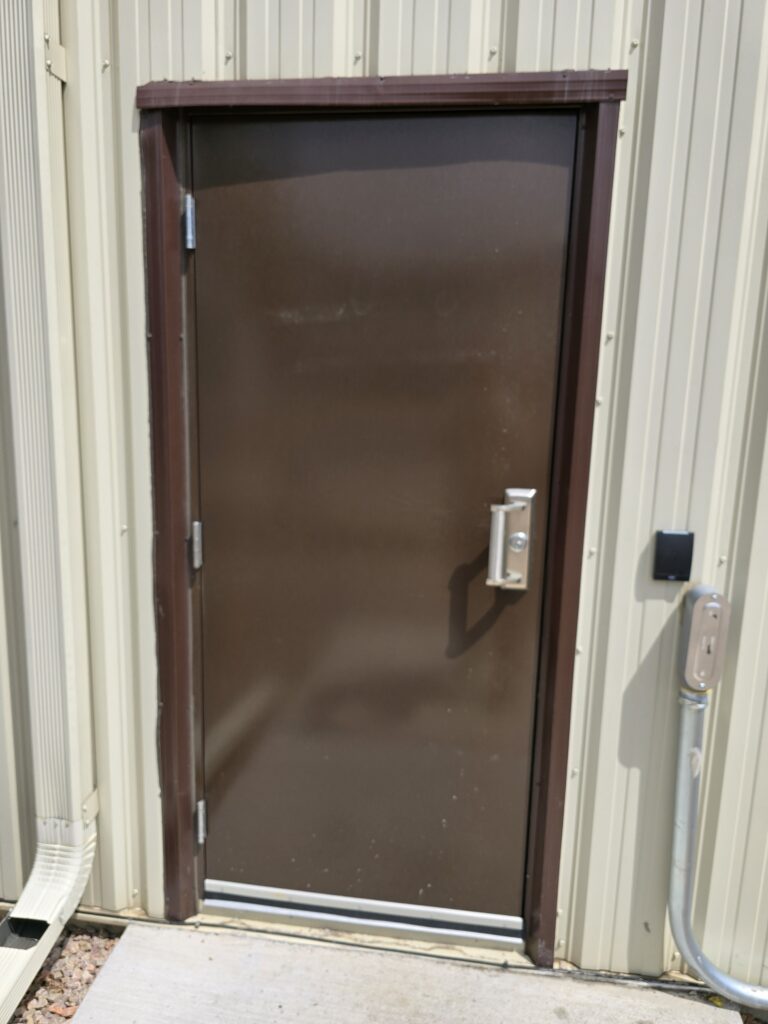
Because we specialize in commercial openings, security systems can be coordinated alongside door hardware, including hinges, closers, locksets, exit devices, thresholds, cylinders, and electrified hardware. This integrated approach helps eliminate compatibility issues while improving reliability, appearance, and long-term performance.
When security and openings are treated as a single system rather than separate projects, facilities experience better outcomes with fewer compromises.
Maintenance and Locksmith Support Preserve System Value
Even the best security systems require ongoing attention. Employees change, credentials need updating, software evolves, doors shift over time, and hardware experiences wear. Without regular maintenance, even a well-designed system can gradually lose effectiveness.
That’s why long-term support matters.
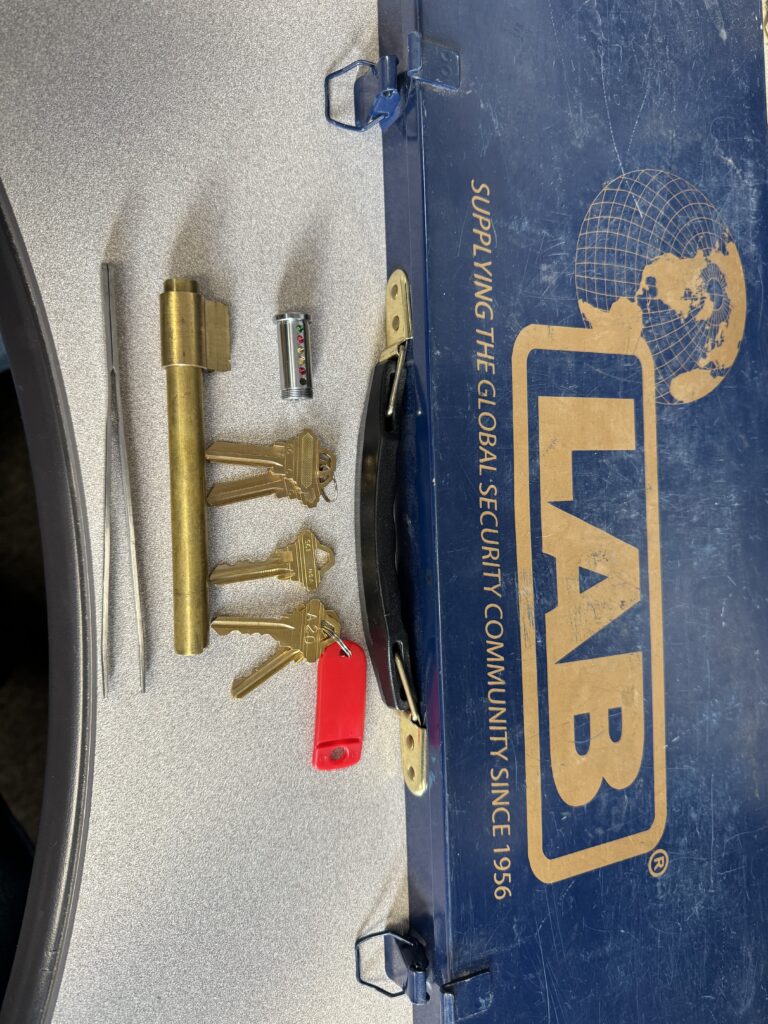
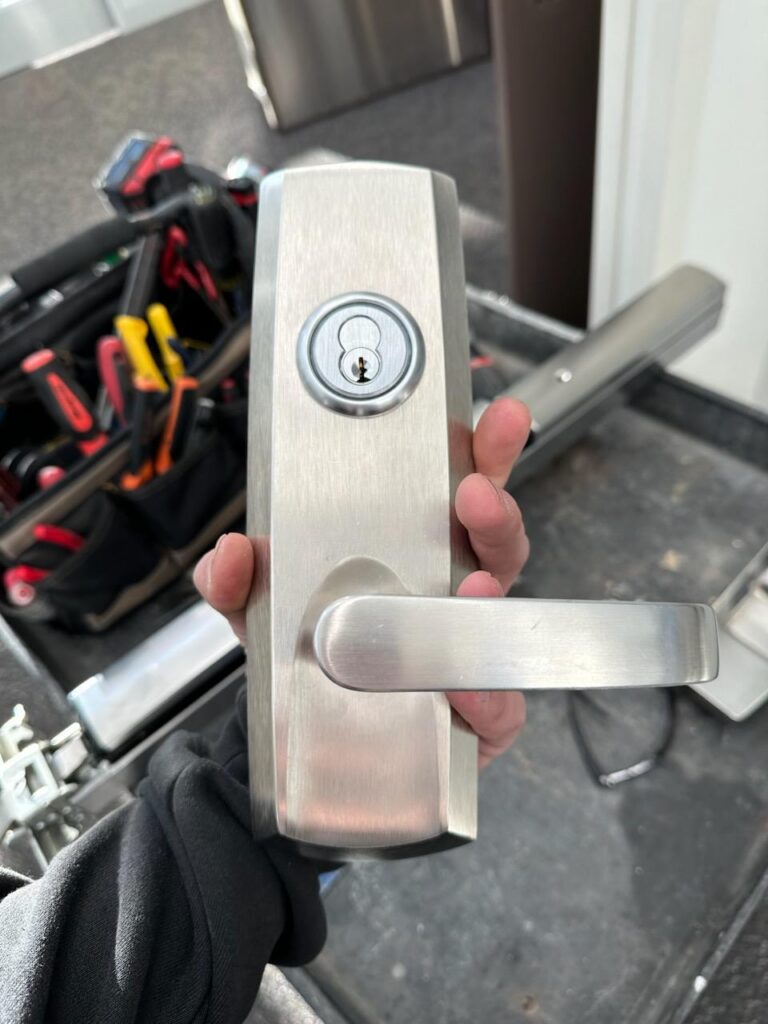
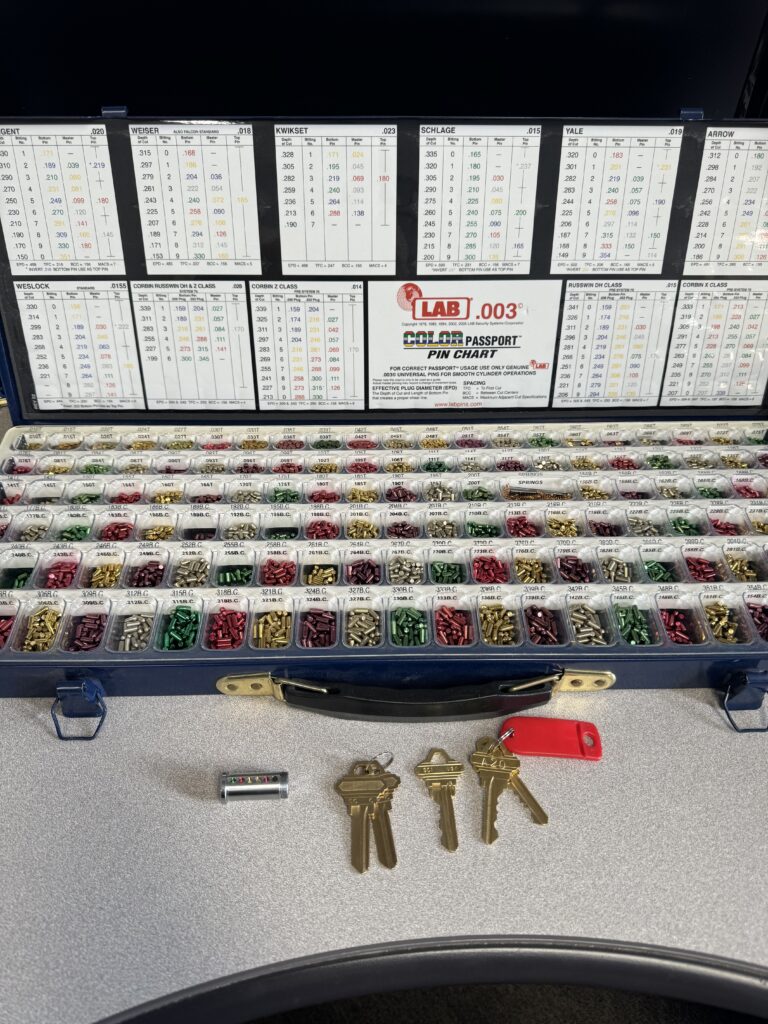
Architectural Specialties’ Commercial Locksmith Services complement electronic security systems by helping organizations maintain control of both mechanical and electronic access points. Our team supports schools, office buildings, warehouses, commercial properties, multi-site facilities, and property managers with services such as:
- Rekeying
- Master key systems
- Key control programs
- Commercial lock repair
- Lock replacement
- Door hardware service
- Exit devices and panic hardware
- Closers, cylinders, cores, and keys
Because many facilities utilize both physical keys and electronic credentials, coordinating these systems through a single trusted partner can improve efficiency and reduce security gaps.
Routine maintenance should include access reviews, credential audits, software updates, door inspections, battery or power-supply checks where applicable, and verification that all system components continue to perform as intended.
Why Choose Architectural Specialties as Your Regional Security Partner?
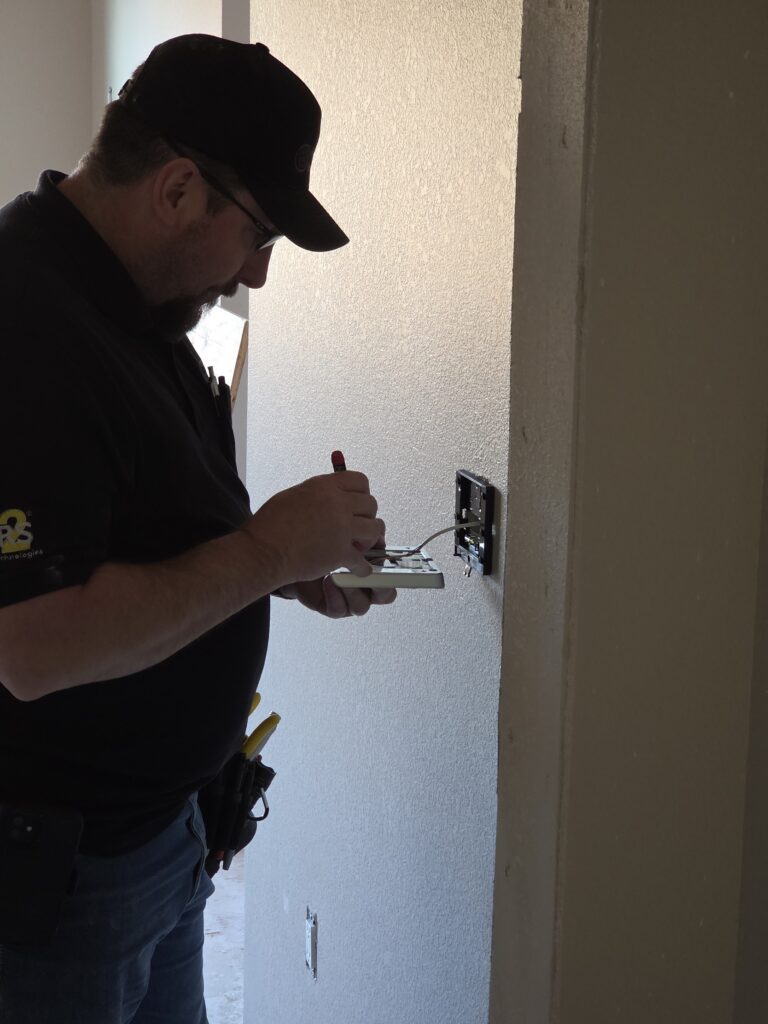
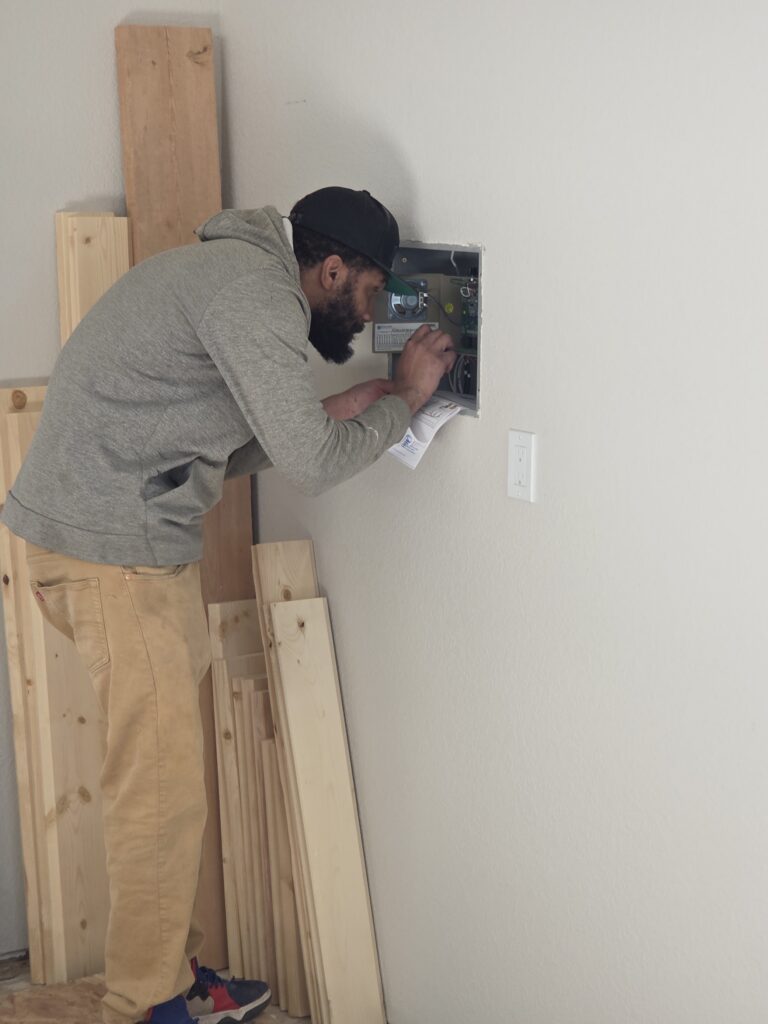
Selecting a security installer is about more than technology. The right partner should understand your building, your users, your operations, and your long-term goals. They should be able to evaluate both the electronic and physical aspects of security while providing support after installation is complete.
Throughout South Dakota, Wyoming, the Black Hills region, and surrounding markets, factors such as facility type, climate conditions, building size, and service responsiveness all influence the success of a security project.
If your project involves access control, video surveillance, intrusion detection, rekeying, master key systems, or commercial opening improvements, Architectural Specialties can help. With locations in Rapid City, South Dakota, and Gillette, Wyoming, our team serves businesses, contractors, architects, and organizations throughout the region with integrated security and opening solutions.
To learn more about your options, contact Architectural Specialties and start the conversation about your next security project.